
Last Updated on January 15, 2026 by Denis Yankovsky
Table of Contents
Key Takeaways
- Modern SEO tools combine AI automation with comprehensive data analysis to drive measurable business growth and ROI
- The best search engine optimizer platforms offer technical auditing, content optimization, and competitive intelligence in one package
- Premium tools like Semrush and Ahrefs provide enterprise-grade features, while budget-friendly options like SE Ranking deliver excellent value
- AI-powered content optimization tools are becoming essential for competing in 2026’s search landscape
- Combining specialized tools creates more effective SEO workflows than relying on single all-in-one platforms
- Free SEO tools can handle basic needs, but professional success requires investing in paid platforms with advanced capabilities
Why Search Engine Optimization Tools Are Essential for Content Marketing Success in 2026
The Evolution of SEO Tools and the Current Market Landscape
The SEO tool market has evolved from simple keyword density checkers to comprehensive platforms powered by artificial intelligence and machine learning. Where we once manually tracked rankings and guessed at optimization strategies, modern tools now provide real-time insights into competitor moves, algorithm shifts, and content performance patterns.
This evolution reflects Google’s increasing sophistication. With over 500 algorithm updates per year, staying competitive requires tools that can process massive datasets, identify emerging trends, and adapt strategies automatically. The best SEO optimization tools today integrate seamlessly with your existing marketing stack, turning fragmented workflows into streamlined operations.
At BestSoftwareTests, we’ve tried, used, and tested quite a bunch of various SEO software tools, and the gap between leaders and laggards continues to widen. Premium tools now offer predictive analytics that can forecast ranking changes weeks in advance, while basic platforms still struggle with accurate keyword difficulty scores.
How Modern SEO Tools Drive Business Growth and ROI
Modern SEO management software delivers tangible business impact through several key mechanisms. First, they eliminate guesswork by providing data-driven insights into what actually moves the needle. Instead of optimizing content based on hunches, you can identify exactly which topics and keywords drive qualified traffic to your competitors.
Automation represents another crucial growth driver. The best SEO platforms handle repetitive tasks like technical audits, rank tracking, and report generation automatically. This frees your team to focus on strategic initiatives that require human creativity and judgment. During my content marketing and SEO career in SaaS startups I’ve seen teams double their output simply by implementing proper automation workflows.
The ROI calculation becomes straightforward when you consider time savings and improved targeting. A single well-optimized piece of content, informed by proper SEO tool analysis, can generate thousands of organic visits and leads over its lifetime. The subscription cost of even premium tools typically pays for itself within the first month of improved performance.

What Makes an SEO Tool Worth Your Investment in 2026
Key Features Every Professional SEO Tool Should Offer
Professional-grade SEO software platforms must deliver comprehensive keyword research capabilities that go beyond basic search volume data. The top tools provide search intent analysis, keyword difficulty scores based on actual SERP analysis, and seasonal trend predictions. Without these features, you’re essentially flying blind in competitive markets.
Technical SEO auditing represents another non-negotiable feature. Your chosen platform should crawl websites like search engines do, identifying issues that impact crawlability, indexation, and site performance. This includes everything from broken internal links to complex JavaScript rendering problems that could tank your rankings overnight.
Competitor analysis capabilities separate amateur tools from professional platforms. You need insights into your competitors’ top-performing content, their backlink acquisition strategies, and their ranking movements across thousands of keywords. This intelligence becomes your competitive advantage in crowded markets.
Real-time reporting and customizable dashboards ensure you can demonstrate SEO’s business impact to stakeholders. The best platforms integrate with Google Analytics and Search Console, creating unified views of organic performance that connect directly to revenue metrics.
Free vs Paid SE Optimizer Tools: Understanding the Trade-offs
Free SEO tools serve as excellent starting points for beginners or businesses with extremely limited budgets. Google Search Console and Google Analytics provide fundamental insights into site performance and search visibility. Tools like Answer the Public and Ubersuggest’s free tier offer basic keyword research capabilities.
However, free tools come with significant limitations that become apparent as your SEO efforts mature. Usage restrictions, limited historical data, and basic feature sets prevent you from executing sophisticated strategies. Most free tools also lack the accuracy and depth needed for competitive analysis or enterprise-level optimization.
Paid platforms justify their cost through superior data quality, advanced features, and comprehensive support. When I work with clients, the difference between free and paid tool insights often determines campaign success. Premium platforms provide the granular data needed to identify profitable opportunities that competitors miss.
The sweet spot for most businesses involves combining carefully selected free tools with one or two premium platforms. This approach maximizes capabilities while controlling costs, especially when you’re building your initial SEO toolkit.
AI-Powered Features That Set Modern Search Engine Optimizer Tools Apart
Artificial intelligence has revolutionized SEO software in ways that seemed impossible just a few years ago. The best search engine optimizer tools now use AI to analyze top-ranking content and generate optimization recommendations that would take human experts hours to develop manually.
Content brief generation represents one of AI’s most valuable applications. Modern tools can analyze the top 20 results for any keyword, identify common themes and topics, and create detailed content outlines that increase your chances of ranking. This capability alone can transform content creation workflows.
Predictive analytics powered by machine learning help forecast ranking changes and traffic potential. Instead of waiting weeks to see optimization results, these tools can estimate the impact of changes before implementation. This predictive capability becomes crucial for resource allocation and strategic planning.
AI-driven technical audits now catch issues that traditional crawlers miss. These systems understand how search engines interpret modern web technologies, identifying problems with single-page applications, dynamic content, and complex site architectures that could impact search visibility.
Another crucial consideration in today’s AI-dominant landscape is tracking brand visibility and mentions within LLM and AI search outputs. As search evolves beyond traditional results pages to conversational AI interfaces, brands must monitor how they appear in these new contexts. Implementing LLM rank tracking capabilities and tools allows organizations to understand their presence in AI-generated responses, assess competitive positioning, and identify opportunities to optimize content for these emerging channels. This monitoring helps ensure brands remain visible and accurately represented as users increasingly rely on AI systems for information gathering and decision-making.
The Top 10 Best Search Engine Optimizer Tools for 2026
1. Semrush – The Complete SEO Powerhouse
Key Features and Capabilities
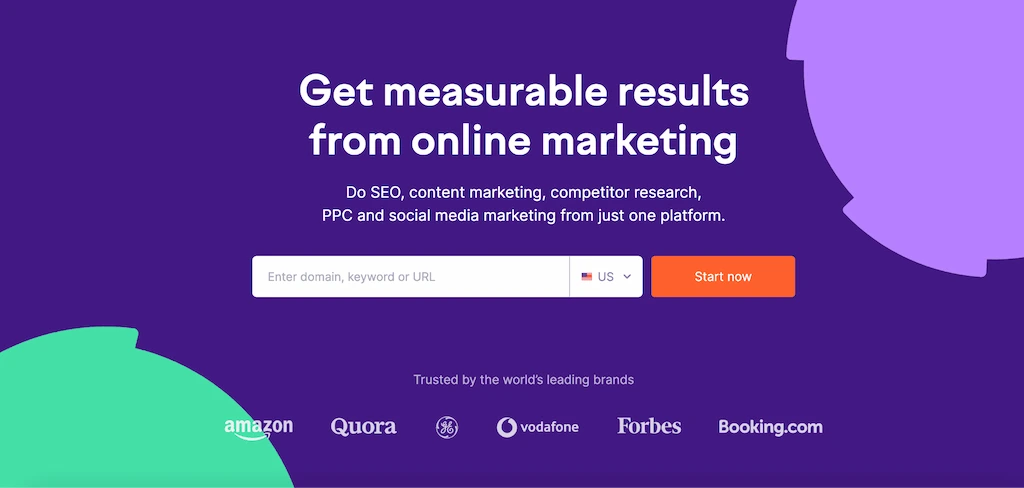
Semrush stands as the most comprehensive SEO platform available, offering an integrated suite that covers every aspect of search engine optimization. Its keyword research tools provide access to over 20 billion keywords across 130 geographic databases, complete with search intent analysis and competitive density scores.
The platform’s site audit feature crawls up to 200,000 pages, identifying technical issues that impact search performance. From Core Web Vitals problems to complex crawlability issues, Semrush provides prioritized recommendations with clear implementation guidance.
Competitive intelligence represents Semrush’s strongest advantage. The platform reveals your competitors’ most profitable keywords, their content gaps, and their backlink acquisition strategies. This level of insight enables you to reverse-engineer successful campaigns and identify untapped opportunities.
Content optimization tools include AI-powered writing assistance, topic research capabilities, and performance tracking across multiple channels. The platform also offers social media management, PPC tools, and brand monitoring features that extend beyond traditional SEO.
Pricing and Plans Breakdown
Semrush offers three main subscription tiers starting with the Pro plan at $119.95 monthly, suitable for freelancers and small businesses managing up to 5 projects. The Guru plan at $229.95 monthly adds historical data, extended limits, and collaboration features for growing teams.
The Business plan at $449.95 monthly targets agencies and larger organizations with API access, extended limits, and white-label reporting capabilities. Enterprise customers can access custom pricing with dedicated account management and additional features.
A free account provides limited access to core tools with daily usage restrictions, perfect for testing the platform’s capabilities before committing to a paid subscription.
*Sometime in 2026, Semrush will apparently become part of Adobe’s Experience Cloud suite, so the pricing model remains to be seen. It might be included in a package offer, or stay available as a standalone tool.
Best Use Cases and User Types
Semrush excels for digital marketing agencies managing multiple client campaigns simultaneously. Its comprehensive feature set eliminates the need for multiple tool subscriptions, while white-label reporting capabilities support client communication and retention.
In-house marketing teams at mid-size to large companies benefit from Semrush’s collaborative features and integrated approach to SEO, content marketing, and competitive analysis. The platform’s learning resources and certification programs also support team development.
Individual consultants and freelancers find value in Semrush’s all-in-one approach, though the higher price point may require careful ROI consideration for smaller operations.
Check our detailed Semrush review here 👇🏽
2. Ahrefs – Superior Backlink Analysis and Site Explorer

Key Features and Capabilities
Ahrefs built its reputation on having the web’s most comprehensive backlink database, crawling over 8 billion pages daily to maintain fresh, accurate link data. The platform’s Site Explorer provides unmatched insights into any website’s backlink profile, organic search performance, and content strategy.
The Keywords Explorer covers over 7 billion keywords across 170 countries, offering difficulty scores, traffic potential estimates, and click-through rate data. Unlike many competitors, Ahrefs provides parent topic suggestions that help identify broader content opportunities.
Content Gap analysis reveals keywords your competitors rank for while you don’t, creating clear roadmaps for content development. The platform’s Content Explorer helps identify high-performing content in any niche, complete with social share data and backlink metrics.
Site Audit tools identify technical SEO issues across unlimited pages, with prioritized recommendations and tracking capabilities. The platform also offers rank tracking, brand monitoring, and YouTube keyword research tools.
Pricing and Plans Breakdown
Ahrefs pricing starts with the Lite plan at $99 monthly, providing essential features for small teams with usage limits on reports and tracked keywords. The Standard plan at $199 monthly offers expanded limits and additional features suitable for growing businesses.
The Advanced plan at $399 monthly targets agencies and larger teams with higher limits, API access, and extended historical data. Enterprise pricing is available for organizations requiring custom solutions and dedicated support.
No free plan exists, but Ahrefs offers a 7-day trial for $7, allowing users to test core features before committing to a full subscription.
Best Use Cases and User Types
SEO professionals and agencies specializing in link building find Ahrefs indispensable for prospecting opportunities, analyzing competitor link profiles, and tracking acquisition success. The platform’s backlink data accuracy exceeds most competitors.
Content strategists and publishers benefit from Ahrefs’ content research capabilities and traffic potential estimates. The platform excels at identifying content opportunities that competitors miss, supporting data-driven editorial calendars.
E-commerce businesses and affiliate marketers leverage Ahrefs for competitive analysis and keyword research in commercial niches where accurate data directly impacts revenue potential.
3. Moz Pro– Industry-Standard SEO Management Platform
Key Features and Capabilities
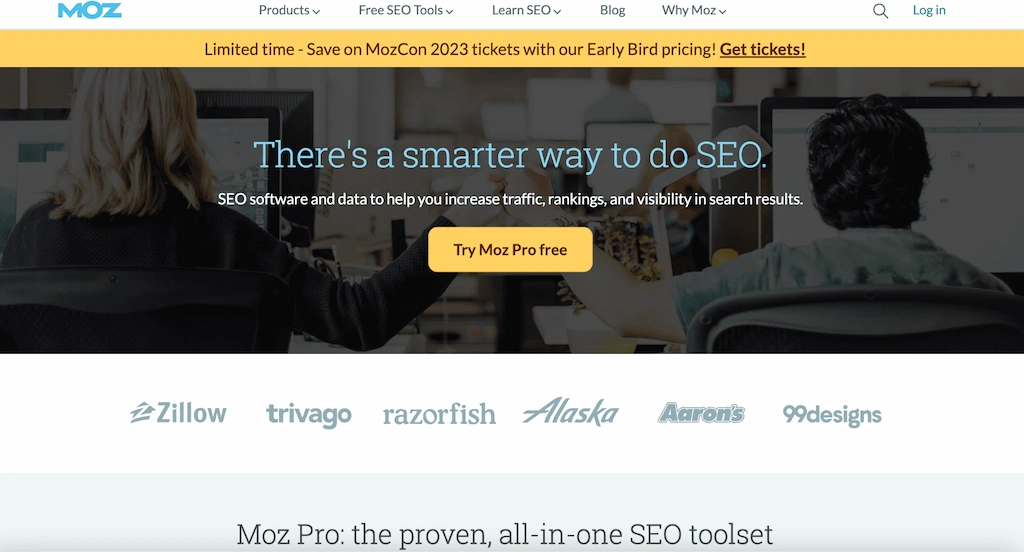
Moz Pro provides a balanced SEO toolkit that emphasizes usability and education alongside powerful features. The platform’s proprietary Domain Authority and Page Authority metrics have become industry standards for evaluating website strength and link value.
Keyword research tools offer search volume data, difficulty scores, and opportunity metrics that help prioritize optimization efforts. The SERP analysis features provide insights into ranking factors and competitive dynamics for target keywords.
Site crawl capabilities identify technical issues and optimization opportunities across unlimited pages. Moz’s approach prioritizes actionable recommendations over overwhelming data dumps, making it accessible for less technical users.
On-page optimization tools include page optimization suggestions, title tag previews, and content recommendations. The platform also offers local SEO features, rank tracking, and link research capabilities.
Pricing and Plans Breakdown
Moz Pro offers four subscription tiers starting with the Standard plan at $99 monthly, suitable for small businesses managing basic SEO campaigns. The Medium plan at $179 monthly adds increased limits and advanced features.
The Large plan at $299 monthly targets growing agencies and businesses with expanded capabilities and higher usage limits. Premium pricing at $599 monthly provides enterprise-level features and support for complex organizations.
A 30-day free trial allows users to explore all features without commitment, and Moz frequently offers educational content and tools that provide value regardless of subscription status.
Best Use Cases and User Types
Small to medium businesses appreciate Moz Pro’s user-friendly interface and educational approach. The platform excels for teams that need reliable SEO insights without overwhelming complexity.
Marketing agencies value Moz’s white-label reporting capabilities and client communication tools. The platform’s industry reputation and educational resources support client retention and team development.
SEO beginners and those transitioning from free tools find Moz Pro’s balanced approach ideal for developing professional SEO skills while delivering measurable results.
4. Screaming Frog (SEO Spider) – Technical SEO Crawler Champion

Key Features and Capabilities
Screaming Frog SEO Spider represents the gold standard for technical SEO auditing, offering deep website crawling capabilities that reveal issues invisible to other tools. The desktop application crawls websites exactly as search engines do, identifying problems with URLs, page titles, meta descriptions, headings, and internal linking structures.
The tool excels at discovering duplicate content, broken links, and redirect chains that damage search performance. Advanced features include custom extraction using CSS selectors, JavaScript rendering analysis, and structured data validation.
Integration capabilities with Google Analytics, Search Console, and PageSpeed Insights provide enriched data that connects technical issues to performance metrics. The platform also supports custom filters, advanced exports, and API connectivity for enterprise workflows.
XML sitemap generation, robots.txt analysis, and canonical tag auditing ensure comprehensive technical coverage. The tool’s speed and accuracy make it invaluable for large-scale technical audits and site migrations.
Pricing and Plans Breakdown
Screaming Frog offers a generous free version that crawls up to 500 URLs, providing substantial value for smaller websites and basic audits. The paid license costs £149 annually (approximately $185), removing crawl limits and unlocking advanced features.
The paid version includes save and resume functionality, advanced filtering options, and integration capabilities that justify the modest cost for professional users. Enterprise licenses offer additional features and support for large organizations.
No monthly subscription options exist, but the annual license provides excellent value compared to other professional SEO tools’ ongoing costs.
Best Use Cases and User Types
Technical SEO specialists and webmasters rely on Screaming Frog for comprehensive site audits, especially during website migrations, redesigns, or troubleshooting ranking drops. The tool’s depth and accuracy exceed web-based alternatives.
Digital agencies use the tool for technical audits as part of client onboarding and ongoing maintenance. The detailed reports and export capabilities support client communication and project management.
Large website owners and e-commerce operators benefit from the tool’s ability to crawl massive sites efficiently, identifying technical issues that impact search visibility across thousands of pages.
5. Surfer SEO– AI-Driven Content Optimization Leader

Key Features and Capabilities
Surfer SEO revolutionizes content optimization through AI-powered analysis of top-ranking pages, providing specific recommendations for improving content relevance and search performance. The platform’s Content Editor analyzes SERP competitors and suggests optimal keyword density, content length, and topic coverage.
Real-time content scoring updates as you write, ensuring your content meets optimization benchmarks before publication. The tool identifies semantic keywords and related topics that enhance content comprehensiveness and search visibility.
SERP Analyzer provides detailed insights into ranking factors for specific keywords, including content length patterns, keyword usage frequency, and structural elements. This data informs content strategy and optimization priorities.
Keyword research tools focus on content opportunities rather than just search volume, identifying topics where well-optimized content can achieve rankings. The platform also offers content audit capabilities for improving existing pages.
Pricing and Plans Breakdown
Surfer SEO pricing starts with the Basic plan at $59 monthly, providing content optimization capabilities for small websites and individual content creators. The Pro plan at $119 monthly adds increased limits and audit features.
The Business plan at $239 monthly targets agencies and larger content teams with collaboration features, white-label options, and extended capabilities. Enterprise pricing offers custom solutions for organizations with specific requirements.
A free trial allows users to test the content editor and optimization features before committing to a subscription, though usage limits apply during the trial period.
Best Use Cases and User Types
Content creators and copywriters find Surfer SEO invaluable for producing search-optimized content that ranks consistently. The platform’s AI-driven recommendations eliminate guesswork from content optimization.
Digital marketing agencies use Surfer SEO to deliver optimized content services at scale, with white-label capabilities supporting client relationships. The tool’s accuracy and speed improve content production workflows.
In-house content teams leverage the platform for optimizing blog posts, landing pages, and resource content. The real-time feedback helps writers improve their SEO skills while producing better results.
Check our detailed Surfer SEO review here 👇🏽
6. SE Ranking: Affordable All-in-One SEO Optimizer

Key Features and Capabilities
SE Ranking delivers comprehensive SEO capabilities at competitive pricing, making professional-grade tools accessible to smaller businesses and agencies. The platform covers keyword research, rank tracking, competitor analysis, and technical auditing within a unified interface.
White-label reporting capabilities enable agencies to present professional client reports with custom branding and automated delivery. The platform’s project-based organization supports multiple client management efficiently.
Social media monitoring and management features extend beyond traditional SEO, providing integrated digital marketing capabilities. The platform also offers local SEO tools, including Google Business Profile management and local citation tracking.
Automated reporting saves time while maintaining client communication, with customizable templates and scheduled delivery options. The platform’s AI-powered features include trend tracking and performance predictions.
Pricing and Plans Breakdown
SE Ranking uses flexible pricing based on keyword tracking and project requirements rather than rigid subscription tiers. Basic plans start around $31 monthly for essential features and limited keyword tracking.
Advanced plans scale with usage, making the platform suitable for agencies managing multiple clients without prohibitive costs. Enterprise features and white-label options are available at higher subscription levels.
A free trial provides access to core features, allowing users to evaluate the platform’s capabilities and interface before committing to paid plans.
Best Use Cases and User Types
Small to medium digital marketing agencies appreciate SE Ranking’s cost-effectiveness and white-label capabilities. The platform provides professional features without the premium pricing of larger competitors.
Freelance SEO consultants benefit from the flexible pricing structure and comprehensive feature set. The platform supports multiple client projects without excessive subscription costs.
Local businesses and service providers find value in the platform’s local SEO features and affordable pricing, making professional SEO tools accessible for smaller budgets.
7. BrightEdge – Enterprise SEO Platform with Advanced Analytics

Key Features and Capabilities
BrightEdge targets enterprise customers with sophisticated SEO analytics, content performance tracking, and competitive intelligence capabilities. The platform processes massive datasets to provide insights into organic search performance across large websites and multiple markets.
Advanced analytics connect SEO metrics to business outcomes, demonstrating how organic search performance impacts revenue and conversions. Custom dashboards and reporting capabilities support executive-level communication and strategic planning.
Content optimization features include AI-powered recommendations, performance tracking, and workflow management for large content teams. The platform integrates with major content management systems and marketing automation platforms.
Competitive intelligence provides insights into competitor strategies, content performance, and market opportunities at enterprise scale. The platform’s data accuracy and depth exceed most alternatives for large-scale analysis.
Pricing and Plans Breakdown
BrightEdge uses custom pricing based on website size, feature requirements, and usage volume. Pricing typically starts in the thousands of dollars monthly, reflecting the platform’s enterprise focus and capabilities.
Implementation includes dedicated account management, training, and ongoing support to ensure successful adoption. The platform’s pricing model aligns with enterprise software expectations rather than small business tools.
Pilot programs and proof-of-concept implementations allow large organizations to evaluate the platform’s capabilities before full deployment.
Best Use Cases and User Types
Large enterprises and Fortune 500 companies rely on BrightEdge for managing SEO across multiple websites, markets, and business units. The platform’s scalability and analytics depth support complex organizational requirements.
Enterprise SEO teams benefit from the platform’s workflow management, collaboration features, and integration capabilities. The tool supports distributed teams and complex approval processes common in large organizations.
E-commerce companies with extensive product catalogs leverage BrightEdge for managing SEO at scale, with features designed for large inventory management and performance tracking.
8. Conductor– Content-Focused SEO Optimizer and Marketing Tool

Key Features and Capabilities
Conductor emphasizes the intersection of SEO and content marketing, providing tools that connect organic search performance to content strategy and audience engagement. The platform’s workflow management supports content planning, creation, and optimization processes.
Advanced analytics track content performance across multiple channels, connecting SEO efforts to brand awareness, engagement, and conversion metrics. The platform provides insights into content gaps and opportunities for expansion.
Collaboration features support large content teams with approval workflows, editorial calendars, and performance tracking. Integration capabilities connect with content management systems and marketing automation platforms.
Competitive content analysis reveals opportunities for content differentiation and optimization. The platform’s insights support strategic content decisions and resource allocation across large content operations.
Pricing and Plans Breakdown
Conductor targets enterprise customers with custom pricing based on organizational size and feature requirements. Pricing typically reflects enterprise software standards rather than small business SEO tools.
Implementation includes training, integration support, and ongoing account management to ensure successful adoption. The platform’s pricing model assumes significant content operations and team sizes.
Demonstration programs allow potential customers to evaluate the platform’s capabilities and fit for their specific content marketing and SEO requirements.
Best Use Cases and User Types
Large content marketing teams and publishers benefit from Conductor’s workflow management and content performance analytics. The platform excels for organizations treating content as a strategic business function.
Enterprise brands with complex content strategies leverage the platform for coordinating SEO and content marketing efforts across multiple teams and channels.
Media companies and large publishers use Conductor for optimizing content performance and identifying expansion opportunities in competitive markets.
9. SEOptimer – Comprehensive Website Audit and Optimization Tool
Key Features and Capabilities
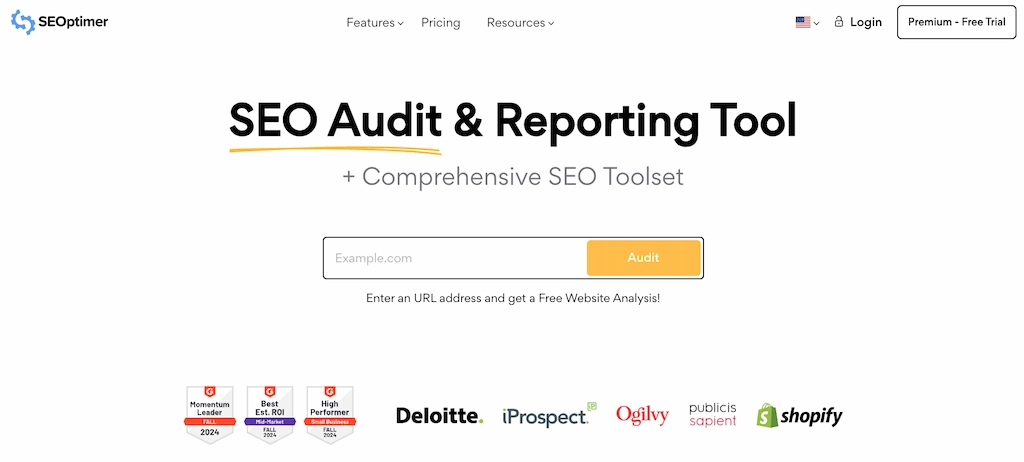
SEOptimer provides all-in-one website analysis and SEO auditing capabilities with an easy-to-understand grading system that evaluates multiple aspects of website performance. The platform delivers detailed recommendations organized by priority to streamline optimization efforts.
The tool conducts comprehensive technical SEO analysis, identifying issues with metadata, content quality, URL structure, and crawlability. Its performance analysis evaluates page speed, mobile responsiveness, and user experience factors critical for rankings.
SEOptimer’s competitive analysis features allow users to benchmark against competitors and identify strategic opportunities for improvement. The platform includes social media presence evaluation and local SEO optimization recommendations for businesses targeting specific geographic areas.
White-label reporting capabilities enable agencies to deliver professional, branded audit reports to clients. Automated monitoring tracks optimization progress over time and alerts users to emerging issues.
Pricing and Plans Breakdown
SEOptimer offers a Free plan with basic audit capabilities for individual users exploring the platform. The Pro plan at $29 monthly targets freelancers and small businesses with expanded features and reporting options.
The Agency plan at $89 monthly provides multi-user access and white-label capabilities for marketing agencies. The Enterprise plan offers custom solutions with API access and priority support for larger organizations with specific requirements.
All paid plans include varying levels of audit credits, scheduled monitoring, and PDF reports, with higher tiers offering more comprehensive features and usage allowances.
Best Use Cases and User Types
Digital marketing agencies leverage SEOptimer’s white-label capabilities to deliver professional SEO audits and ongoing optimization services to clients. The intuitive reports make complex SEO concepts accessible to clients.
Small to medium business owners without extensive technical expertise use SEOptimer to identify and address fundamental website issues affecting their search visibility and user experience.
Freelance SEO consultants utilize the platform’s comprehensive analysis to quickly identify optimization opportunities for clients and demonstrate value through before-and-after reporting.
10. Clearscope – Precision Content Optimizer Software for Writers
Key Features and Capabilities
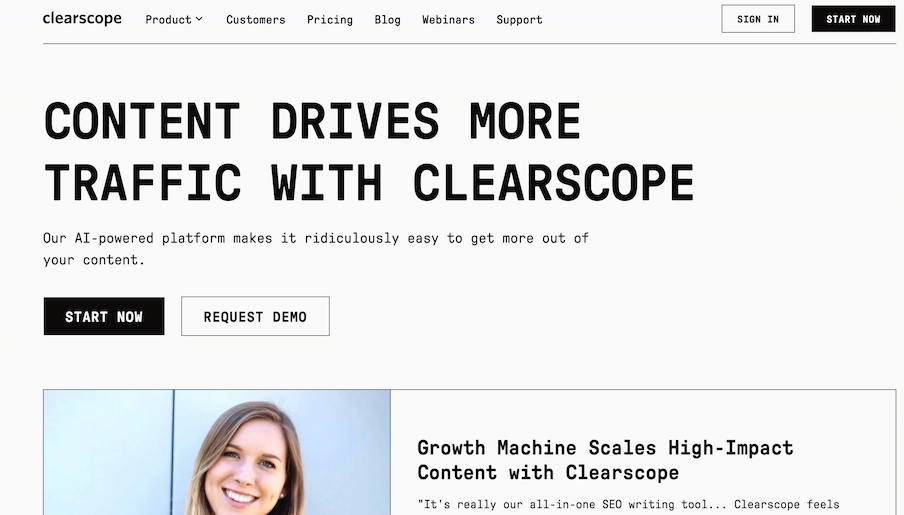
Clearscope focuses exclusively on content optimization, providing AI-powered analysis that helps writers create comprehensively optimized content. The platform analyzes top-ranking pages to identify topics, keywords, and content elements that enhance search relevance.
Real-time content grading provides immediate feedback as writers create content, ensuring optimization standards are met before publication. The platform’s recommendations go beyond keyword density to include topic coverage and content depth.
Integration capabilities with popular content management systems streamline optimization workflows. The platform supports collaboration between writers, editors, and SEO specialists through shared optimization reports.
Content brief generation automates the research process, providing writers with comprehensive outlines based on competitive analysis and search intent research.
Pricing and Plans Breakdown
Clearscope pricing starts with the Essentials plan at $170 monthly, providing content optimization capabilities for small content teams. The Business plan at $350 monthly adds increased usage limits and collaboration features.
Enterprise pricing offers custom solutions for large content operations with specific requirements and integration needs. The platform’s pricing reflects its focus on content quality and optimization accuracy.
A free trial allows content creators to test the optimization features and evaluate the platform’s impact on content performance before subscribing.
Best Use Cases and User Types
Content writers and editors benefit from Clearscope’s precise optimization guidance and real-time feedback. The platform helps writers improve their SEO skills while creating better-performing content.
Content marketing agencies use Clearscope to deliver optimized content services with measurable improvements in search performance. The platform’s accuracy and ease of use support scalable content operations.
In-house content teams leverage Clearscope for optimizing high-priority content pieces where search performance directly impacts business results.
How to Choose the Right Search Engine Optimizer Tool for Website
Evaluating Your Search Engine Optimization Objectives
Successful tool selection begins with honest assessment of your current SEO capabilities and future goals. Teams focused primarily on content creation have different needs than those managing technical SEO for large e-commerce sites. Understanding your primary challenges helps narrow tool selection to platforms that address your specific requirements.
Budget constraints significantly impact tool selection, but focusing solely on price often leads to suboptimal choices. Instead, consider the total cost of ownership, including training time, integration complexity, and potential productivity gains from automation features.
Team size and technical expertise influence platform selection more than many realize. User-friendly tools like Moz Pro suit smaller teams or those with limited technical backgrounds, while advanced platforms like Screaming Frog require more specialized knowledge but provide deeper insights.
Budget Considerations and ROI Calculations
SEO tool ROI calculations should account for time savings, improved targeting accuracy, and competitive advantages gained through better insights. A premium tool that saves 10 hours weekly while improving campaign performance often pays for itself within the first month of use.
Consider subscription costs against potential revenue impact from improved search performance. Even modest improvements in organic traffic can generate substantial value when properly tracked and attributed to tool-supported optimizations.
Factor in training and onboarding costs when evaluating tool options. Platforms with steep learning curves may offer powerful features but require significant time investment that impacts initial ROI calculations.
Team Size and Collaboration Requirements
Solo practitioners and small teams prioritize different features than large organizations managing complex approval processes and multiple stakeholders. Individual consultants might prefer comprehensive all-in-one platforms, while larger teams benefit from specialized tools that integrate smoothly.
Collaboration features become essential as team size grows. Look for platforms offering shared projects, role-based permissions, and workflow management capabilities that support your organizational structure.
Training and support requirements scale with team size and complexity. Enterprise platforms typically provide dedicated account management and training resources, while smaller tools rely on documentation and community support.
Integration Capabilities with Your Existing Tech Stack
Modern SEO success requires seamless integration between tools and existing marketing technology stacks. Platforms that connect easily with your content management system, analytics tools, and reporting dashboards provide significantly more value than standalone solutions.
API access and custom integration capabilities become important for larger organizations with specific workflow requirements. Evaluate whether potential tools offer the connectivity needed to support your existing processes and systems.
Data portability and export capabilities ensure you can access and analyze SEO data across multiple platforms. This flexibility prevents vendor lock-in while supporting comprehensive analysis and reporting needs.
Setting Up Your SE Optimization Software Stack for Maximum Impact

Essential Optimizer Tool Combinations That Work Best Together
Building an effective SEO tool stack requires understanding how different platforms complement each other rather than compete. The most successful combinations pair comprehensive platforms with specialized tools that address specific needs or provide unique capabilities.
A typical professional stack might combine Semrush or Ahrefs for comprehensive SEO management with Screaming Frog for technical auditing and Surfer SEO for content optimization. This combination provides broad coverage while maintaining depth in specialized areas.
Budget-conscious teams can achieve similar results by combining a mid-tier all-in-one platform like SE Ranking with free tools like Google Search Console and selective use of specialized tools for specific projects or challenges.
Search Engine Optimization Workflow and Automation Strategies
Automation transforms SEO from reactive task management to proactive strategy execution. The best SEO management tools offer automated reporting, rank tracking, and site monitoring that free up time for strategic activities.
How to Set Up Automated SEO Monitoring:
- Configure automated crawls to run weekly or monthly depending on site size and change frequency
- Set up rank tracking for your most important keywords with automated alerts for significant changes
- Create automated reports that combine data from multiple tools into stakeholder-friendly formats
- Establish alert systems that notify you of technical issues, ranking drops, or new opportunities
- Implement workflow automation that routes tasks to appropriate team members based on issue type or priority
Workflow standardization ensures consistent execution across team members and projects. Document processes for common tasks like keyword research, content optimization, and technical auditing to maintain quality and efficiency.
Common Implementation Mistakes to Avoid
Over-reliance on single tools or data sources represents one of the most common implementation mistakes. Cross-referencing insights across multiple platforms improves accuracy and reduces the risk of making decisions based on incomplete or inaccurate data.
Inadequate training and onboarding lead to underutilization of tool capabilities. Invest time in learning advanced features and workflows rather than relying only on basic functionality that fails to justify subscription costs.
Failure to establish clear processes and documentation creates inefficiencies and inconsistencies across team members. Successful tool implementation requires structured approaches to common tasks and clear guidelines for tool usage.
Future-Proofing Your SEO Strategy with the Right Tools

Emerging Trends in SEO Technology for 2026 and Beyond
The SEO tool landscape continues evolving rapidly, with artificial intelligence and machine learning driving the most significant changes. Predictive analytics capabilities that forecast ranking changes and traffic potential are becoming standard features rather than premium additions.
Voice search optimization tools are emerging as smart speakers and voice assistants reshape search behavior. Tools that analyze conversational queries and optimize for featured snippets position businesses for success in voice-driven search environments.
Core Web Vitals and user experience metrics have become central to search performance, driving tool development toward comprehensive site performance monitoring. The best tools now combine traditional SEO metrics with user experience data for holistic optimization strategies.
How AI and Machine Learning Are Reshaping SEO Tools
AI integration extends beyond simple automation to provide intelligent insights that would require extensive manual analysis. Modern content optimization tools use natural language processing to understand context and intent rather than relying solely on keyword density calculations.
Predictive modeling helps forecast the impact of optimization changes before implementation, reducing risk and improving resource allocation. These capabilities transform SEO from reactive optimization to proactive strategy development.
Automated competitor analysis powered by machine learning identifies opportunities and threats faster than manual monitoring. These systems continuously analyze competitor content, backlink acquisition, and ranking changes to provide actionable intelligence.
Preparing for Google Algorithm Updates and SERP Changes
Algorithm resilience requires tools that provide early warning systems for ranking volatility and performance changes. The best platforms monitor ranking fluctuations across thousands of keywords to identify algorithm updates before official announcements.
SERP feature tracking becomes increasingly important as Google introduces new search result formats and displays. Tools that monitor featured snippets, local packs, and other SERP features help maintain visibility as search results evolve.
Staying current with tool updates and new features ensures your SEO stack remains effective as search engines evolve. Regular tool evaluation and upgrade planning prevent obsolescence and maintain competitive advantages.
The SEO tool market will continue consolidating around platforms that combine comprehensive capabilities with specialized excellence. Success requires choosing tools that not only meet current needs but also adapt to evolving search landscapes and business requirements.
Investing in the best search engine optimizer tools for 2026 isn’t just about improving rankings; it’s about building sustainable competitive advantages that drive long-term business growth. The platforms covered in this guide represent the current leaders, but success ultimately depends on selecting tools that align with your specific needs, budget, and strategic objectives.
For more insights into tracking your SEO success, explore our comprehensive guides to the best rank tracking tools and best LLM rank tracker software tools for more options of the best SEO and content marketing software. Also, discover additional business software solutions that can enhance your digital marketing efforts.
Did you find it valuable? Please rate to support our work!
Discover more from Best Software & Apps — Tested & Reviewed
Subscribe to get the latest posts sent to your email.